
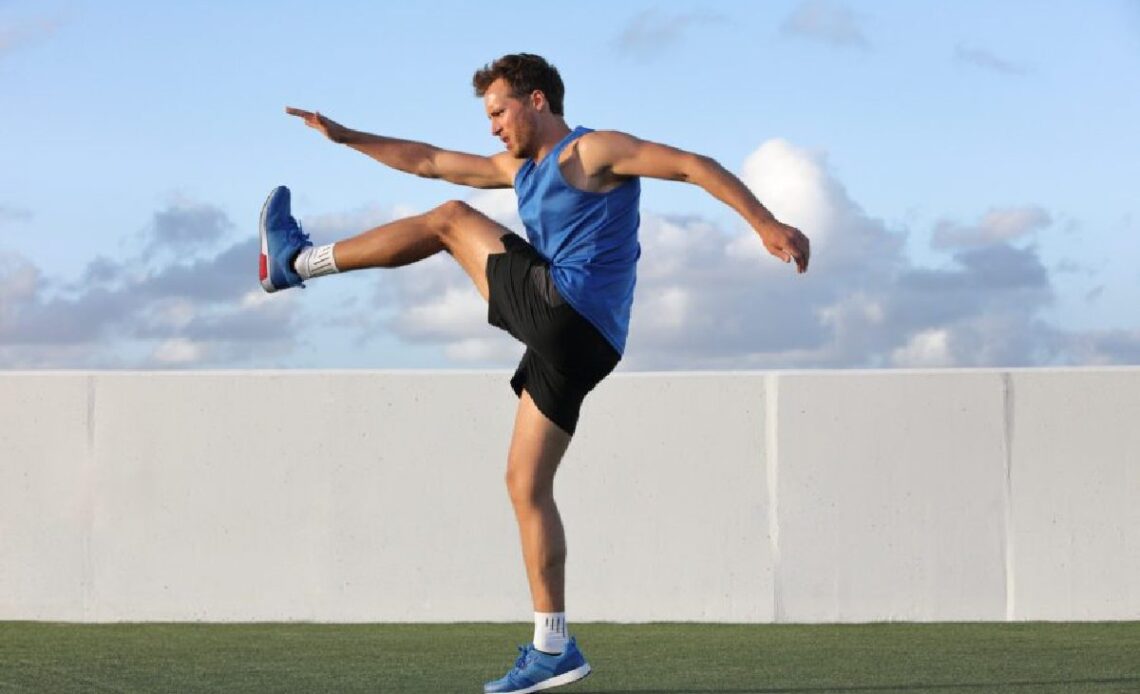
When most people think of stretching, they picture someone sitting on the floor, reaching for their toes, and holding that position for several seconds. While static stretching has its place, there is another approach that has gained widespread attention for its effectiveness and practicality—dynamic stretching. This method focuses on controlled, purposeful movements that prepare the body for activity rather than simply holding a stretch in one position.
Whether you are heading into a gym session, preparing for a run, or joining a recreational sports game, incorporating dynamic stretching into your routine can significantly improve performance and reduce the risk of injury. Understanding why it matters and how it works can help you move more confidently and efficiently.
What Is Dynamic Stretching?
Dynamic stretching involves active movements that take your muscles and joints through their full range of motion. Instead of remaining stationary, you continuously move in a controlled manner. Examples include leg swings, arm circles, walking lunges, and torso twists.
The goal is not just to lengthen muscles but to activate them. Dynamic stretching raises your heart rate slightly, increases blood flow, and warms up the nervous system. This preparation makes your body more responsive and ready for more intense physical activity.
Preparing Muscles for Performance
One of the most important reasons to practice dynamic stretching is to prepare muscles for movement. When muscles are cold, they are less elastic and more prone to strain. Gradual, controlled movements help increase muscle temperature and flexibility in a functional way.
For athletes, this preparation can make a noticeable difference. Sprinters may benefit from high knees and butt kicks to activate the lower body. Upper-body athletes may use arm swings and shoulder rotations to prepare for throwing or lifting.
By mimicking the movements that will be used during exercise, dynamic stretching helps bridge the gap between rest and action.
Improving Range of Motion
Joint mobility plays a crucial role in overall performance. Restricted movement can limit strength, balance, and coordination. Dynamic stretching encourages joints to move through their natural range of motion in a safe and progressive way.
For example, controlled hip circles can improve mobility in the hips, while torso rotations enhance spinal flexibility. Over time, consistent practice can contribute to better posture and more efficient movement patterns.
This improved mobility not only supports athletic performance but also makes everyday activities—like bending, reaching, and walking—feel easier and more fluid.
Enhancing Circulation and Oxygen Flow
When you begin dynamic stretching, your heart rate increases gradually. This boost in circulation delivers oxygen-rich blood to working muscles. Better blood flow means muscles receive the nutrients they need to perform efficiently.
Unlike static stretching before a workout, which may temporarily reduce power output, dynamic stretching primes the body for strength and speed. The active nature of the movements signals to your nervous system that activity is about to begin.
This gentle transition helps prevent the shock that can occur when jumping directly into high-intensity exercise.
Supporting Injury Prevention
Injuries often occur when muscles are unprepared for sudden or forceful movements. By incorporating dynamic stretching into your warm-up routine, you reduce the likelihood of strains and sprains.
The controlled movements improve coordination and balance, two factors that play a significant role in injury prevention. When your body is more aware and responsive, it reacts more effectively to unexpected changes in direction or intensity.
For individuals returning to exercise after a break, dynamic stretching provides a safe way to reintroduce movement gradually.
Boosting Mental Readiness
Physical preparation is only part of the equation. Dynamic stretching also helps you mentally transition into your workout. The rhythmic, purposeful movements create a sense of focus and intention.
Rather than rushing into exercise, taking a few minutes for dynamic stretching encourages mindfulness. You become more aware of how your body feels—tight areas, imbalances, or stiffness can be identified early.
This awareness allows you to adjust your workout accordingly and listen to your body’s signals.
Adapting to Different Activities
One of the strengths of dynamic stretching is its versatility. It can be tailored to suit nearly any physical activity. A runner’s warm-up may include leg swings, walking lunges, and ankle rolls. Someone preparing for strength training might focus on arm circles, bodyweight squats, and hip openers.
Because the movements are activity-specific, they help reinforce the patterns you will use during your workout. This specificity enhances both efficiency and effectiveness.
Incorporating Dynamic Stretching into Your Routine
You do not need an elaborate routine to benefit from dynamic stretching. Even five to ten minutes before exercise can make a difference.
Start with simple movements that target major muscle groups. Gradually increase the range and intensity of each motion without forcing it. The goal is to feel warm and energized—not fatigued—by the time you begin your main activity.
Consistency is key. Making dynamic stretching a regular part of your routine ensures that your body becomes accustomed to the preparation process.
A Balanced Approach to Flexibility
While dynamic stretching is ideal before workouts, it can be complemented by static stretching after exercise. Post-workout static stretches help relax muscles and support recovery.
By understanding the difference between these two approaches, you can create a balanced flexibility routine that supports both performance and long-term mobility.
Conclusion
Dynamic stretching is more than just a fitness trend—it is a practical and effective way to prepare your body for movement. By improving circulation, enhancing mobility, and supporting injury prevention, it lays the foundation for stronger, safer workouts.
Taking a few intentional minutes to move before exercising can make a significant difference in how you perform and how you feel afterward. In a world that often encourages rushing, dynamic stretching reminds us that preparation is powerful—and that moving with purpose sets the stage for success.