
Last Updated: August 24, 2026
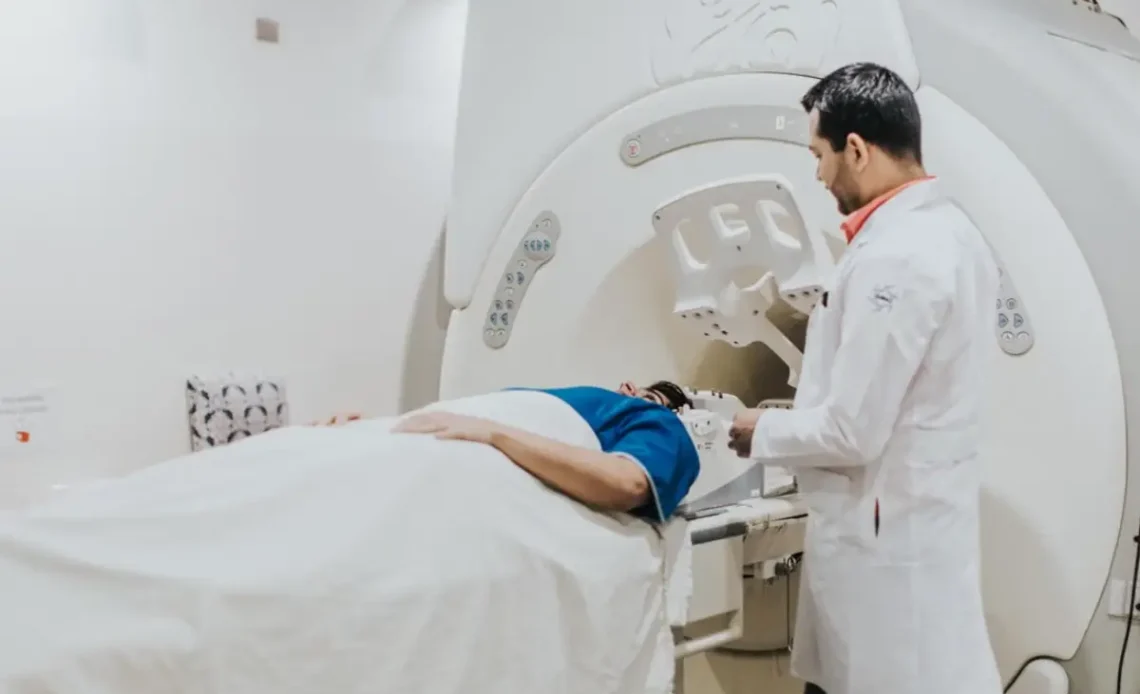
A full-body MRI is an imaging test that produces clear internal images. MRI stands for magnetic resonance imaging. It uses a strong magnet and radio-frequency signals to show structures such as organs, soft tissues, bones, blood vessels, and the spine.
People often want to know what this type of appointment covers before they book. They may also want to understand what the report may explain. A full-body MRI cannot detect every condition. It should not replace routine medical care, national screening, or advice from a qualified clinician. Still, it can form part of a wider health check when it is suitable for the person’s situation.
What Is a Full Body MRI?
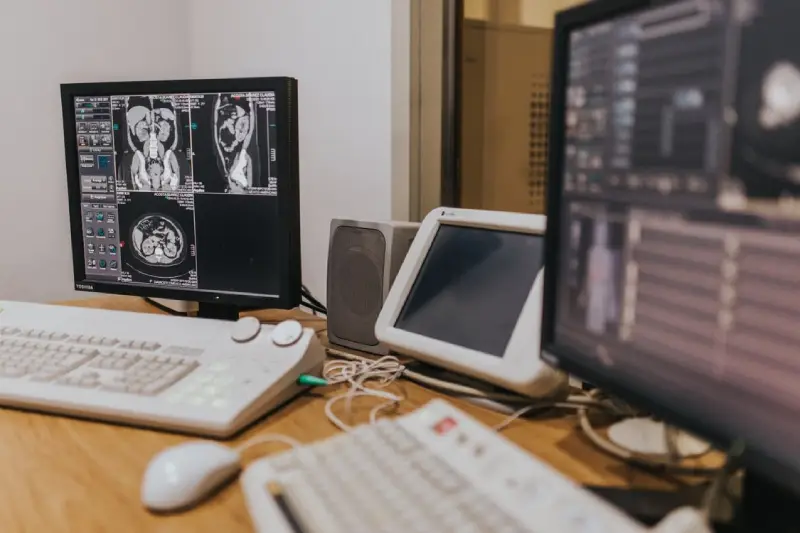
During the appointment, the person lies on a table. The table moves into the scanner, and the machine records images from different internal regions. A trained specialist, often a radiologist, studies the images and prepares a report for the patient, referring doctor, or care team.
This type of appointment usually covers several regions in one visit. The exact coverage depends on the provider, the package, and the reason for the test. Some appointments are used for a broad health check. Others focus on a specific concern.
The test is non-invasive. This means it does not involve surgery. Most appointments are completed within a few hours. The timing depends on how many regions are checked and whether extra imaging is needed.
What Areas Are Commonly Included?
Several major body parts can be included. The exact list should always be confirmed before booking because providers may use different protocols.
Brain
Brain imaging can help clinicians assess brain tissue, fluid spaces, and nearby structures. Depending on the protocol, it can also show changes that need medical follow-up.
MRI is valued for soft-tissue detail. Even so, it cannot show every possible condition. Any result should be explained by a qualified specialist and discussed with the right healthcare professional.
Head and Neck
Some packages include parts of the head and neck. This allows clinicians to assess selected tissues, glands, and other structures in the upper body.
This area can be complex. If the report contains unclear findings, another test may be advised. A finding does not always mean there is a serious problem. Sometimes, it simply means more information is needed.
Spine
The spine is often part of whole-body imaging. This can include the neck, upper back, and lower back.
Spinal MRI images can show vertebrae, discs, the spinal canal, and nearby tissues. They can also help assess changes linked to pain, stiffness, movement problems, or nerve-related symptoms. These results should be compared with the person’s symptoms and clinical examination.
Chest
The chest section can include views of the lungs, heart area, major blood vessels, and nearby structures. MRI is not always the first choice for every chest concern. CT, X-ray, ultrasound, or other tests may be more suitable in some cases.
When the chest is included, the report may identify structural changes that need follow-up. A clinician can then decide whether another test or a specialist opinion is needed.
Abdomen
The abdomen contains several major organs. These include the liver, kidneys, pancreas, spleen, and gallbladder. MRI can show these structures in detail and detect changes that are not obvious during a physical examination.
If the report notes an unusual finding, the next step may involve monitoring, blood tests, another scan, or a referral. The right action depends on the type of finding and the person’s wider medical background.
Pelvis
The pelvis can also be included. This section may involve the bladder, reproductive organs, bowel, lymph nodes, and nearby tissues. The exact coverage depends on the scan protocol.
Pelvic findings need careful interpretation. Some changes are harmless. Others need follow-up. Clear reporting matters because it helps the person understand the result and the next step.
What Can a Full Body MRI Help Assess?
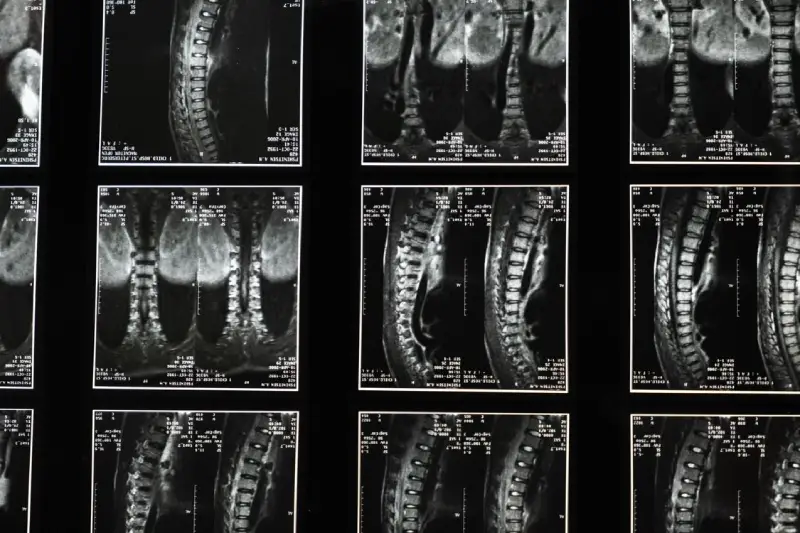
Whole-body imaging can give a broad view of internal structures. It is not a final answer for every condition, but it can show changes that need closer assessment.
Structural Changes
MRI can show changes in organs and soft tissues. These may include differences in size, shape, texture, or appearance. In some cases, the results help clinicians decide whether more checks are needed.
This test may be considered when someone has ongoing symptoms. It can also be discussed when there is a relevant family background or a reason to assess multiple regions in a single appointment.
Certain Growths and Abnormal Findings
In some cases, MRI can identify unexpected changes in organs, glands, or tissues. These findings may need another scan, monitoring, specialist review, or no further action.
It is important not to assume the worst from a result. Some findings are common and harmless. Others need a more detailed assessment before a clear answer can be given.
Musculoskeletal Concerns
The scan can provide information about muscles, joints, bones, discs, and soft tissues. This can be relevant for people with discomfort, stiffness, movement issues, or symptoms affecting more than one region.
MRI can show changes linked to injury, inflammation, wear, or other musculoskeletal concerns. However, the report should be assessed alongside symptoms, examination findings, and medical history.
Organ Health Assessment
This type of imaging can show the appearance of major organs in the chest, abdomen, and pelvis. It can help clinicians understand internal structures more clearly and guide follow-up discussions.
The test does not measure every aspect of organ function. Blood tests, physical examination, ultrasound, CT, endoscopy, or other investigations may still be needed. The right option depends on the concern being assessed.
What a Full Body MRI Cannot Do
MRI is an advanced imaging method, but it has limits. It cannot detect every medical condition. Some changes may be too small to see. Others may not appear on an MRI at all. Certain concerns are better checked with other tests.
A normal result also does not guarantee that future health problems will not develop. Results should be considered with symptoms, personal risk factors, family history, lifestyle, and advice from a qualified healthcare professional.
False positives can also happen. This means the scan may show something that looks concerning but later proves harmless. These findings can lead to extra tests, worry, and more appointments. This is why the decision to book should be made with proper clinical context.
Who Might Consider a Full Body MRI?
People consider this type of scan for different reasons. Some have ongoing symptoms that remain unexplained. Others have a family history of certain conditions and want to discuss wider imaging with a clinician. Some include it in a private health assessment.
Before booking, it is sensible to ask what the appointment covers. It also helps to ask what the test can and cannot show, who will assess the images, and how the results will be explained. Another option may be more suitable depending on the concern.
Full Body MRI and Preventive Health
Preventive healthcare focuses on reducing risk and finding concerns early, where possible. It can include screening, lifestyle advice, medical reviews, and risk checks.
NHS cancer screening programmes are designed for specific groups and specific types of cancer. They follow national guidance and have a different role from private imaging. A full body MRI should not be treated as a replacement for recommended NHS screening.
The WHO overview of preventive healthcare explains the importance of reducing risk factors linked to long-term illnesses. These include cardiovascular disease, some cancers, diabetes, chronic respiratory disease, and stroke. Imaging may be part of a wider health review, but prevention also depends on regular care, lifestyle choices, and proper follow-up.
Additional Health Assessment Options
Some people combine imaging with wider checks. These may include blood tests, blood pressure readings, lifestyle questions, and a discussion about personal or family risks.
For example, Vista Health offers private diagnostic services, including MRI and health assessment options. These services may help people have clearer conversations with doctors when results are properly reported and followed up on.
Private testing should sit alongside appropriate medical advice. It should not replace urgent care, GP review, national screening programmes, or specialist assessment when these are needed.
Making an Informed Choice About Full Body MRI
A full-body MRI can provide detailed views of the brain, spine, chest, abdomen, and pelvis. It can help identify structural changes or unexpected findings that need further review.
The scan is most helpful when the person understands its purpose, limits, and possible next steps. Before booking, it is important to know what the appointment includes, whether the test is suitable, and who will explain the results.
Before booking this type of scan, a person should speak with a qualified healthcare professional. This helps them understand whether the test is appropriate and how any results should be followed up on.
Also Read: Why We Need to Embrace Massagers for Holistic Health