
Last Updated: September 12, 2026
Facial aging shows up differently for everyone; some notice sagging along the jawline first, others see it in deepening lines or a loss of volume in the cheeks, and this variation is exactly why no single universal treatment works for every face. Understanding the range of options available, from surgical procedures to non-surgical skin treatments, helps people make a choice suited to their specific concern rather than picking whatever a friend happened to try.
What a Surgical Approach Actually Addresses
Surgery often becomes the best option once sagging skin and underlying tissue laxity have progressed to a point where no amount of topical treatment or energy-based device can meaningfully lift or tighten the area.
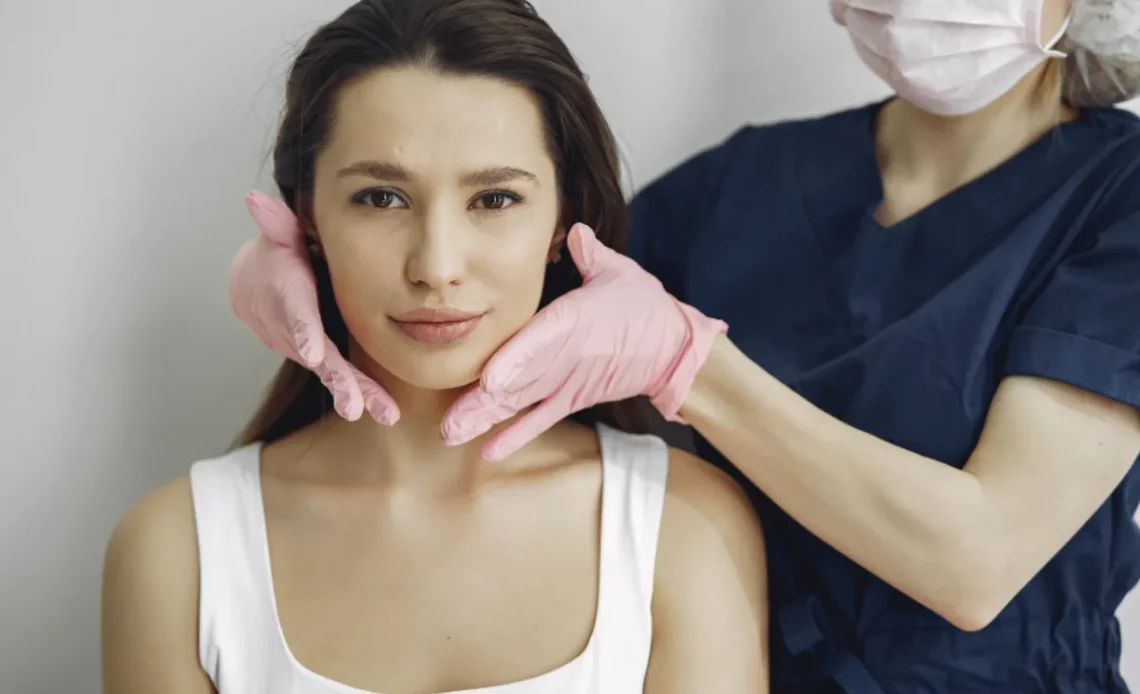
A consultation with an experienced Plastic Surgeon typically involves an assessment of skin elasticity, the degree of tissue descent, and the specific areas of the face contributing most to an aged appearance, since a facelift or neck lift addresses structural laxity in a way that no non-surgical treatment can fully replicate.
This kind of evaluation matters because surgery is not the right answer for everyone, and a thorough consultation should also identify cases where a less invasive approach would achieve a satisfying result without the recovery time that surgery requires.
For patients whose aging is driven primarily by descending tissue rather than surface texture or fine lines, surgical correction tends to offer a more complete and longer-lasting result than repeated non-surgical sessions attempting to compensate for structural changes that only surgery can properly address.
Recovery from facial surgery generally involves a period of swelling and bruising lasting a couple of weeks, with more subtle refinement continuing for several months afterward, and patients who understand this timeline in advance tend to feel far less anxious during the healing process than those expecting an immediate final result.
When Non-Surgical Treatments Are the Better Starting Point
Not every sign of facial aging requires surgery, and for many patients, particularly those in earlier stages of aging or those simply looking to improve skin texture and tone, non-surgical treatments offer a genuinely effective path forward without the downtime associated with an operation. Treatments such as radiofrequency skin tightening, ultrasound-based lifting devices, and collagen-stimulating injectables work by encouraging the skin to rebuild its own supportive structure over time, gradually improving firmness and texture across several weeks rather than producing an instant dramatic change.
These treatments tend to work best on mild to moderate laxity, since they rely on the skin’s own regenerative response rather than physically removing or repositioning tissue the way surgery does, meaning severely sagging skin generally will not respond to these methods with the kind of result a patient might be hoping for. Combining several non-surgical approaches, such as pairing a skin tightening device with targeted injectables, often produces better results than relying on a single treatment type alone, since each addresses a slightly different aspect of the aging process. Patients considering this path also benefit from realistic expectations about maintenance, since most non-surgical treatments require repeat sessions every so often to sustain results, unlike surgery, which offers a more definitive, long-term correction for the areas it addresses.
Getting an Accurate Skin Evaluation First
Before deciding between these paths, it helps to have a proper assessment of overall skin health, since underlying issues such as sun damage, pigmentation, or a compromised skin barrier can affect how well any treatment performs regardless of which approach is chosen.
A visit to an experienced Dermatologist can identify these underlying factors and recommend a skincare foundation that supports whichever treatment path is ultimately chosen, since even a well-executed surgical or non-surgical procedure will not look its best layered on top of unaddressed skin concerns like sun damage or an uneven texture.
How Age and Skin Type Influence the Right Choice
Younger patients in their thirties or early forties with good skin elasticity often see excellent results from non-surgical maintenance treatments, since their skin still has strong regenerative capacity that responds well to stimulation-based approaches.
Patients in their fifties and beyond, particularly those with more significant tissue descent, frequently find that surgery offers a more efficient and satisfying path, since the structural changes at this stage generally exceed what non-surgical methods alone can correct.
Why a Combined Approach Often Works Best
Many patients ultimately benefit from a staged combination, using surgery to address structural sagging in specific areas while relying on non-surgical treatments to maintain skin quality and address finer details like texture and tone in between.
This kind of layered approach, planned thoughtfully rather than pursued all at once, tends to produce more natural, sustainable results than treating either path as a standalone solution.
Conclusion
Choosing between surgical and non-surgical facial rejuvenation ultimately comes down to the specific type and degree of aging present, along with individual goals around downtime, cost, and how long results need to last.
A thorough evaluation that considers both structural changes and overall skin health gives patients the clearest picture of which path, or combination of paths, is likely to deliver the result they are actually looking for.
Working with specialists who take time to explain these distinctions honestly, rather than defaulting to whichever treatment they happen to offer, remains the most reliable way to arrive at a decision that holds up well over time.
Frequently Asked Questions
Q1: How do I know if I need surgery or if non-surgical treatment would be enough?
Answer: This generally depends on the degree of skin laxity and tissue descent present, with mild to moderate signs of aging often responding well to non-surgical treatments while more significant sagging typically requires surgical correction for a satisfying result. A proper evaluation is the most reliable way to determine which category a specific case falls into, since self-assessment often underestimates or overestimates the degree of change actually needed.
Q2: How long do results from non-surgical skin tightening treatments typically last?
Answer: Results vary depending on the specific treatment and individual skin response, but most non-surgical tightening treatments require maintenance sessions every several months to a year to sustain results, since they work by stimulating the skin’s own regenerative processes rather than offering a permanent structural correction. Surgical results tend to last considerably longer, often many years, though the skin will continue to age naturally afterward regardless of which path was chosen.
Q3: Can non-surgical treatments be done before deciding on surgery later?
Answer: Yes, many patients start with non-surgical treatments to maintain skin quality and delay more significant intervention, transitioning to surgery only once structural changes progress to a point where non-surgical methods no longer provide adequate improvement. This staged approach allows patients to address aging gradually rather than committing to surgery before it becomes genuinely necessary.
Also Read: Why We Need to Embrace Massagers for Holistic Health