
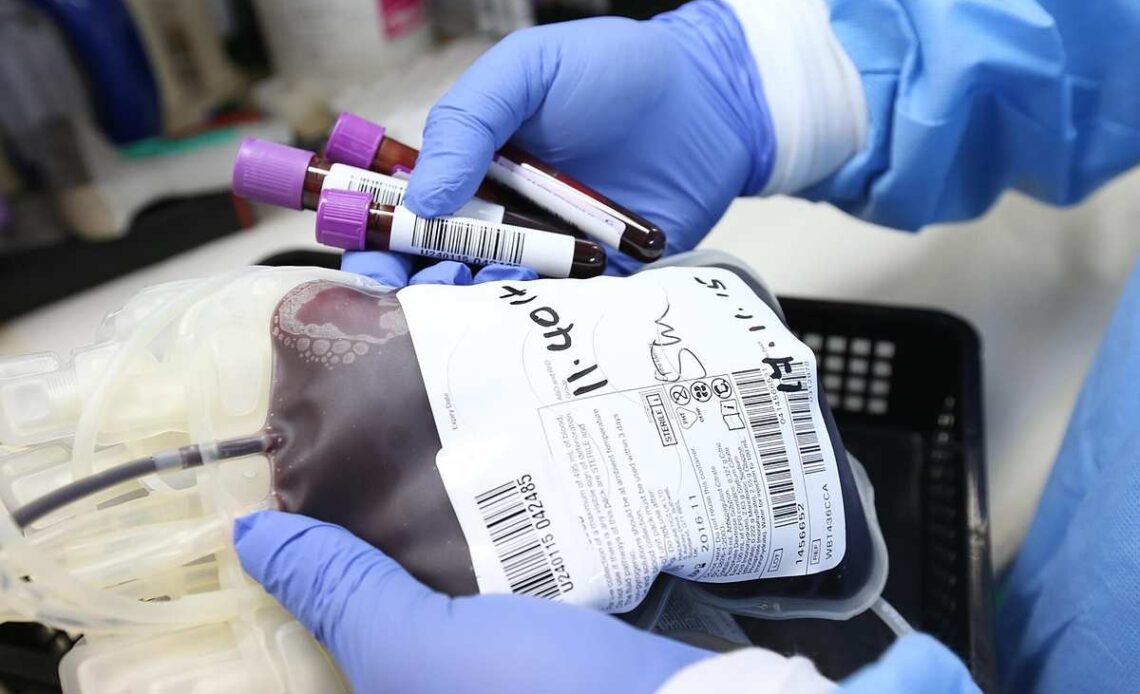
Plasma donation is one of the most direct ways an individual can support patients facing serious medical challenges. Yet many people are far more familiar with whole blood donation than they are with plasma donation, even though plasma plays a critical role in modern medicine. For patients with immune disorders, clotting problems, trauma-related blood loss, burns, and certain chronic illnesses, plasma-based therapies can be essential. Without regular donors, those treatments would be much harder to provide.
That is why plasma donation in Cherry Hill deserves more attention. For local residents, it offers a meaningful opportunity to contribute to community health while also learning more about how lifesaving therapies are made possible. It is an act of generosity, but it is also a practical part of the healthcare system. Plasma from donors is used in ways that reach far beyond the donation center itself, supporting treatments that many patients rely on every day.
For someone considering their first appointment, the process can feel unfamiliar. Questions about eligibility, safety, time commitment, and what to expect during the visit are all normal. Some people assume plasma donation is complicated or physically difficult. Others are unsure how it differs from a standard blood donation. In reality, the process is highly structured, medically supervised, and designed to be safe and manageable for eligible donors.
This guide explains what plasma is, why it matters, how plasma donation in Cherry Hill works, what to expect from a donation center, and how donors can make the experience smoother and more rewarding from start to finish.
What Plasma Is and Why It Matters
Blood contains several important components, and plasma is one of the most essential. It is the pale yellow liquid that carries blood cells throughout the body. While red blood cells and platelets often receive more public attention, plasma performs functions that are just as important. It carries proteins, hormones, electrolytes, antibodies, and clotting factors that help the body maintain stability and respond to illness or injury.
Plasma makes up more than half of total blood volume. Much of it is water, but the proteins within it are what make it medically valuable. These proteins support immune defense, blood clotting, nutrient transport, and fluid balance. When people donate plasma, they are contributing a resource that cannot simply be manufactured in a laboratory at full scale. Many treatments still depend on plasma collected from human donors.
That need is ongoing. Plasma is not donated once and then stored as a permanent solution to future demand. Medical use continues every day, which means donation must continue every day too.
Understanding that context can change how people see the process. Plasma donation in Cherry Hill is not just a helpful local activity. It is part of a much larger chain of care that connects one person’s generosity to another person’s treatment and recovery.
Why Plasma Is So Valuable in Medical Care
The importance of plasma comes from the substances it contains. These include albumin, immunoglobulins, and clotting factors, all of which are used in therapies for different medical conditions.
Immunoglobulins are especially important for people with immune deficiencies. These patients may not be able to fight infections effectively on their own, and plasma-derived treatments help strengthen their immune response. Clotting factors are vital for people with bleeding disorders such as hemophilia, while albumin can be used for patients recovering from burns, trauma, surgery, or liver complications.
Plasma also supports emergency medicine. In trauma care and severe blood loss situations, plasma can help restore volume and support the body’s clotting response. In other cases, plasma-derived products become part of long-term management for chronic and rare illnesses.
This is why plasma donation in Cherry Hill has a real impact. A single donation may support therapies that reach multiple patients. Donors are not simply contributing a blood component. They are helping supply a medically necessary resource that healthcare providers depend on across many different areas of treatment.
How Plasma Donation Is Different From Blood Donation
Many first-time donors assume plasma donation is basically the same as blood donation, but the two processes are different in important ways.
In a typical blood donation, whole blood is collected and later separated into different components. In plasma donation, the collection process is more targeted. Blood is drawn from the donor, the plasma is separated out by a machine, and the remaining components, such as red blood cells and platelets, are returned to the donor’s body along with saline.
This process is called plasmapheresis. Because the non-plasma components are returned, the body may recover differently than it does after a whole blood donation. The appointment can also take a little longer, especially for first-time donors, because of screening and orientation steps.
That added time sometimes causes hesitation, but the process is still manageable for most eligible donors. It is done under trained medical supervision, using equipment designed specifically for safe plasma collection. Once people understand how it works, the process often feels far less intimidating than they expected.
When discussing plasma donation in Cherry Hill, it helps to make this distinction clear. It is not simply another version of blood donation. It is its own process with its own value and purpose.
Who Can Usually Donate Plasma
Eligibility rules are in place to protect both donors and recipients. While exact requirements can vary somewhat by center, plasma donors generally need to meet a few core standards related to age, weight, health, and screening results.
Most centers require donors to be adults, meet a minimum weight, provide valid identification, and pass a health screening before donating. Medical history, current health status, travel history, and certain medications may all be reviewed. A brief physical check, including temperature, pulse, blood pressure, and protein or hemoglobin testing, is also commonly part of the intake process.
Many people wrongly assume they cannot donate because they have had a minor health issue, take medication, or have been turned away from blood donation in the past. In reality, eligibility for plasma donation can differ from eligibility for whole blood donation depending on the reason. That is one reason local screening matters so much. The best way to know is to ask a licensed donation center directly.
For residents interested in plasma donation in Cherry Hill, speaking with a qualified center is the most reliable first step. They can explain current eligibility guidelines clearly and help potential donors understand whether they are likely to qualify.
Finding the Right Donation Center in Cherry Hill
The donation experience can vary depending on where you go, so choosing a reputable center matters. A good center should feel clean, organized, and professional. Staff should be able to explain the process clearly, answer questions respectfully, and make donors feel comfortable rather than rushed.
Reputation is a useful starting point. Online reviews can offer insight into wait times, staff professionalism, donor comfort, and general organization. It is also helpful to check whether the center is part of a larger plasma collection network with established medical protocols and donor support systems.
Convenience matters too. Since many donors return more than once, location and scheduling can influence whether the experience feels sustainable. Some people prefer a center close to home, while others prioritize extended hours or smoother appointment systems.
Because plasma donation in Cherry Hill may become a recurring act of service for many donors, choosing a center that feels respectful and well-run is worth the time. The goal is not only to donate once, but to feel comfortable enough to return if you decide the process is a good fit.
What to Expect on Your First Visit
The first visit is usually the longest because it includes screening, documentation, and a more detailed introduction to the donation process. Knowing that in advance helps reduce frustration and makes the experience feel more manageable.
After checking in, new donors are often asked to complete forms about medical history and lifestyle information. Staff then review those answers, verify identification, and conduct a health screening. This may include checking vital signs and performing a small blood test to make sure plasma donation is safe for the donor.
Once cleared, the donor is brought to the donation area. A needle is placed in the arm, and the plasmapheresis machine begins cycling blood through the collection system. Plasma is separated out while other components are returned. During the session, donors usually remain seated or reclined. Many centers allow people to listen to music, scroll on a phone, or relax during the process.
Afterward, staff typically provide a post-donation check and encourage the donor to rest briefly, hydrate, and have a snack. The process may sound more complicated in writing than it feels in practice. For many people, the unfamiliarity is the hardest part, not the procedure itself.
This is an important piece of understanding plasma donation in Cherry Hill. Once the first visit is complete, future appointments often feel much more routine.
How Plasma Donation Supports Community Health
One of the strongest reasons to donate is the broader effect it has on others. Plasma collected locally becomes part of a medical system that benefits patients far beyond the donation room.
Some plasma-derived therapies are used by people with lifelong health conditions who require repeated treatment. Others are used in urgent or emergency situations where time matters. In both cases, the supply depends on people choosing to donate consistently.
For a community like Cherry Hill, that means local donors are part of something much larger than a one-time event. They are helping strengthen the chain of care that hospitals, treatment centers, and pharmaceutical manufacturers rely on. Even though the individual donor may never meet the patient, the connection is real.
The value of plasma donation in Cherry Hill therefore extends in two directions. It supports patients who need treatment, and it also strengthens local awareness of what community health responsibility can look like in practical terms.
Preparing for a Better Donation Experience
Donors often have a smoother visit when they prepare in advance. Hydration is one of the most important factors. Drinking enough water in the day or two before the appointment can help support circulation and make the collection process easier.
Eating well also matters. A balanced meal with protein before the visit is usually a smart choice, while overly greasy food and alcohol are best avoided beforehand. Wearing comfortable clothing with sleeves that allow easy access to the arm can also make the process more convenient.
Bringing the required identification and arriving with enough time for screening helps reduce stress too. Many first-time donors benefit from planning their day so they do not feel rushed before or after the appointment.
When people think about plasma donation in Cherry Hill, they often focus on the donation itself, but preparation can shape the experience just as much. A little planning goes a long way toward making the visit feel straightforward.
What to Do After Donating
Recovery after plasma donation is usually simple, but it should still be taken seriously. Most centers encourage donors to drink fluids, eat a snack, and avoid overexertion for the rest of the day. This helps the body recover comfortably and replace lost fluid volume.
If a donor feels lightheaded, tired, or slightly weak afterward, resting and hydrating are often enough. More strenuous exercise or heavy lifting is usually best postponed until the body has had some time to recover. Paying attention to how you feel is important, especially after your first donation.
A smooth recovery makes it more likely that the donor will view the experience positively and feel comfortable donating again in the future.
Incentives, Compensation, and the Donor Experience
Many plasma centers offer compensation or other incentives for donors. This is common in plasma donation and can help offset the time commitment involved. While compensation may be one reason some people decide to try it, it does not lessen the value of the donation itself.
For many donors, the most meaningful part of the experience is the knowledge that their time is supporting treatment for patients who genuinely need plasma-derived therapies. Incentives may make participation easier, but the larger purpose remains the same.
In that sense, plasma donation in Cherry Hill can feel both personally worthwhile and socially important. Donors may appreciate the practical benefits, but they also often come away with a stronger sense of contribution and connection to community care.
Final Thoughts
Plasma donation is one of the clearest examples of how an ordinary person can make a direct difference in the lives of others. It supports medical treatments that cannot move forward without human donors, and it does so in a way that is structured, safe, and accessible to many healthy adults.
For those considering plasma donation in Cherry Hill, the process becomes much less intimidating once it is understood. The science behind plasma is compelling, the donation experience is more manageable than many people expect, and the impact reaches far beyond a single appointment.
A local donation center can provide the details, screening, and support needed to begin. For residents who want to do something concrete that helps others, plasma donation offers a rare combination of practicality and compassion. It is a simple act with lasting reach, and for many people, that makes it one of the most meaningful ways to give back.
Also Read: Trickle Chargers: The Silent Guardian of Your Car Battery