
Last Updated: May 1, 2026
What is an example of a non-observable warning sign for a mental health condition in someone else? – Internal non-observable warning signs-signs that an individual may be feeling, but cannot be observed just by looking at them. These are typically seen in the mental health sphere in things that a person tells you, that a person says in terms of describing how they feel, or in what an individual admits to when it is a particularly bad day. This includes the feelings of helplessness, emotional numbness, feeling trapped, feeling like there is no reason to be alive, or feeling like there is pain that cannot be borne. Both SAMHSA and NIMH cite these kinds of internal warning signs as critical ones that indicate the need for assistance.
In a U.S. context, this matters because many people assume mental health struggles always “look obvious.” No they don’t. A lot of serious signals can be masked under a pleasant, normal exterior and a well worn “I’m okay”. For that reason hearing what a person says is just as important as seeing what a person does.
Definition: What Non-Observable Warning Signs Mean

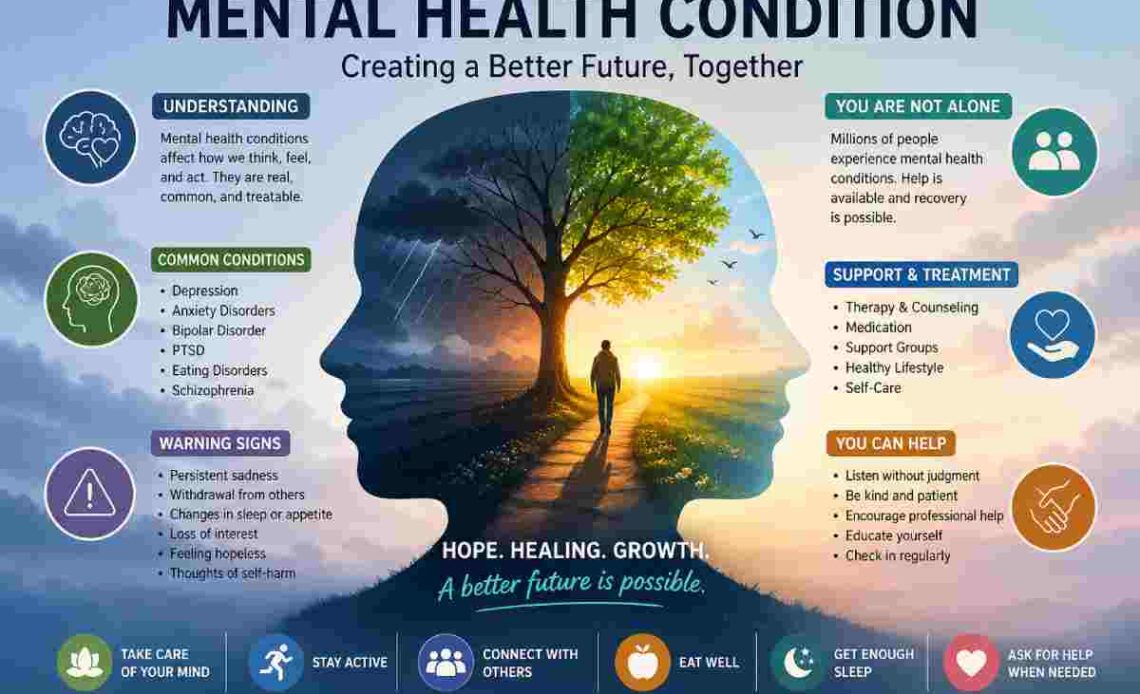
Warning signs that are not observable are those physical signs or clues to an underlying distress that are not obviously visible to those on the outside. Your friend, coworker, partner, family member might not appear outwardly devastated but may reveal that they’re in distress through the wording they use. Words used are often words such as: hopeless, empty, worried, scared, completely drained, a burden etc. SAMHSA’s general warning signs included feeling helpless, hopeless, on edge and experiencing a high level of distress while NIMH reports hopeless, restless and having unsupportable pain during crises.
One clear example
A strong example of a non-observable warning sign is: “I feel hopeless and like nothing will ever get better.”
Although they might not be outwardly apparent, those feelings of hopelessness can be a huge indicator of a possible depression, deep psychological upset or even suicidal thoughts. SAMHSA and NIMH list feelings of hopelessness as a “warning sign” not to be dismissed.
Observable vs Non-Observable Warning Signs
The difference is simple, but it changes the way you respond. Observable signs are things you can notice. Non-observable signs are things the person tells you or hints at indirectly. Learn about warning signs and get help
| Type of warning sign | What it looks like | Example | Why it matters |
| Observable | You can notice it from behavior or appearance | Feeling depressed, sleeping a lot, not eating, poor personal care, fluctuating moods. | This can be indicative of an anxiety but also can occur due to other reasons. |
| Non-observable | You get the information through words, talk or reports. | “I have no hope.” “I can’t cope with it anymore.” “It’s pointless, nothing has any meaning.” “I’m trapped.” | This can be indicative of underlying emotional suffering that would not otherwise be apparent if no-one truly listens. |
A person can have both kinds of warning signs at the same time. For example, someone may look tired and withdrawn, but the more serious clue is what they say: “I don’t see a point in anything.” That sentence may carry more urgency than any visible symptom alone.
Why Non-Observable Signs Are Easy to Miss

These signs are easy to miss because people often hide pain. Some do not want to worry others. Others may be questioning whether the feelings they’re going through is ‘bad enough’ to mention to others. Others may have learned over time to ‘act as if they do not feel’ this way at school, at work, or on the internet. This is another reason that the NIMH advises seeking help for depressive moods or intense symptoms that have lasted two weeks or more, that are negatively affecting day to day functioning, and that include disturbances in sleep, appetite, concentration, and interpersonal functioning.
Non-observable signs also get dismissed because they sound vague. One may say they’re feeling “a bit off,” or that they’re “not themselves,” or numb, or they have a “void or hollowness” inside of themselves. These aren’t phrases which may appear to indicate any depression, anxiety, trauma, or other mental illness, however they may be indicative of a larger mental illness at hand. SAMHSA outlines “numbness,” “fear,” “worry,” and “helpless and confused,” as well as volatile mood swings.
Common Examples of Non-Observable Warning Signs
Here are some examples that may not be visible right away, but can matter a great deal when someone says them out loud:
- “I feel hopeless.”
- “Nothing matters anymore.”
- “I feel trapped.”
- “I’m exhausted all the time, even when I rest.”
- “I feel numb.”
- “I do not feel like myself.”
- “I cannot stop worrying.”
- “I feel like I am a burden.”
- “I don’t think anyone would care if I disappeared.”
Some of these have been identified by SAMHSA and NIMH as being risk factors for suicide. For instance, the feelings of helplessness, emotional pain, being trapped, anxiety, isolation, and thoughts of committing suicide.
Comparison Table: What You Can See vs What You Must Listen For
| What you notice | Likely meaning | What to do |
| They are quieter than usual | They may be withdrawing or feeling overwhelmed | Check in gently and ask open questions. |
| They say “I feel hopeless” | This may be a serious emotional warning sign | Take it seriously and stay with them in the conversation. |
| They say “I feel trapped” or “I can’t do this anymore” | This can indicate acute distress | Enquire if there is any immediate threat to their safety and direct them to services that can assist them. |
| Physically, they look okay but seem flat emotionnally. | They may be masking depression, anxiety, or burnout | Continue listening. Don’t just take “fine” at face value. |
| They mention being a burden | This is a major crisis warning sign | Request support promptly and don’t leave them alone if you are worried.. |
What to Say When Someone Shares a Non-Observable Warning Sign
The most helpful response is usually calm, simple, and kind.
- “I am really glad you told me.”
- “That sounds heavy. I want to understand.”
- “You do not have to carry this alone.”
- “Are you feeling safe right now?”
- “Do you want help reaching out to someone?”
The reason these solutions help is that they open up conversation instead of ending it. SAMHSA helps by creating early awareness of distress, and the 988 Lifeline provides confidential emotional support for a person’s distress, mental health problem, or substance use concern throughout the US.
What Not to Say
Some replies make people shut down faster. Try not to say:
- “You are overreacting.”
- “Everyone feels that way.”
- “Just be positive.”
- “You do not look depressed.”
- “Other people have it worse.”
This will make the person feel unheard, ignored, and invisible. Since this subtle clue is so easily missed, this person will probably not ever lie to you again.
When it is urgent:
Certain unobservable signs need to be dealt with as an urgent issue. When a person discusses death, has suicidal thoughts, states that they are a burden to others or says they can no longer stand their suffering then you need to pay attention to the warning signs that NIMH and SAMHSA identified.
Seek immediate help if the person:
- talks about ending their life,
- says they feel trapped or hopeless,
- mentions a plan or intent to die,
- suddenly becomes extremely agitated or reckless,
- says they cannot stay safe.
In the United States, 988 is free and available 24/7 to everyone in suicidal crisis or emotional distress via call, text or chat. The U.S and territories have access to the 988 hotline.
A Simple Way to Think About It
Above all: It’s what they do, but it’s what they say too. “I feel helpless” can put you in the know without an obvious symptom in the world. When comments like that get made, just listen and remain calm, while trying to direct them to some sort of help.
Final Takeaway
An invisible alert signal-this can be a less vocal aspect of mental health struggles. This type of cue often lies in the muttered sentence or the half-whispered confidence or the emotion confessed once you are “liked.” A very clear warning signal is hopelessness-this is not something that you necessarily “see” but is still a serious cue. Both SAMHSA and NIMH mention hopelessness, feeling trapped, emotional pain, isolation, and drastic shifts in mood as clues that should be noticed.